





My Work and Research
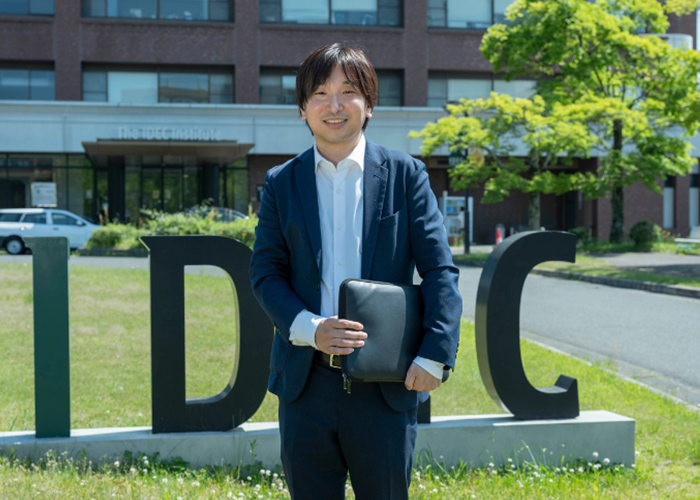
I am affiliated with the Center for Global Partnership (CGP), which is part of the IDEC Institute at Hiroshima University. As its name suggests, the CGP promotes interdisciplinary educational programs and international collaborative research to advance the university’s global engagement. The IDEC Institute is also home to several other centers that address global challenges in areas such as educational development, peacebuilding, and the environment.
My work involves managing educational programs such as global internships, in which students are placed with overseas companies and international organizations. I also organize seminars and workshops related to these programs.
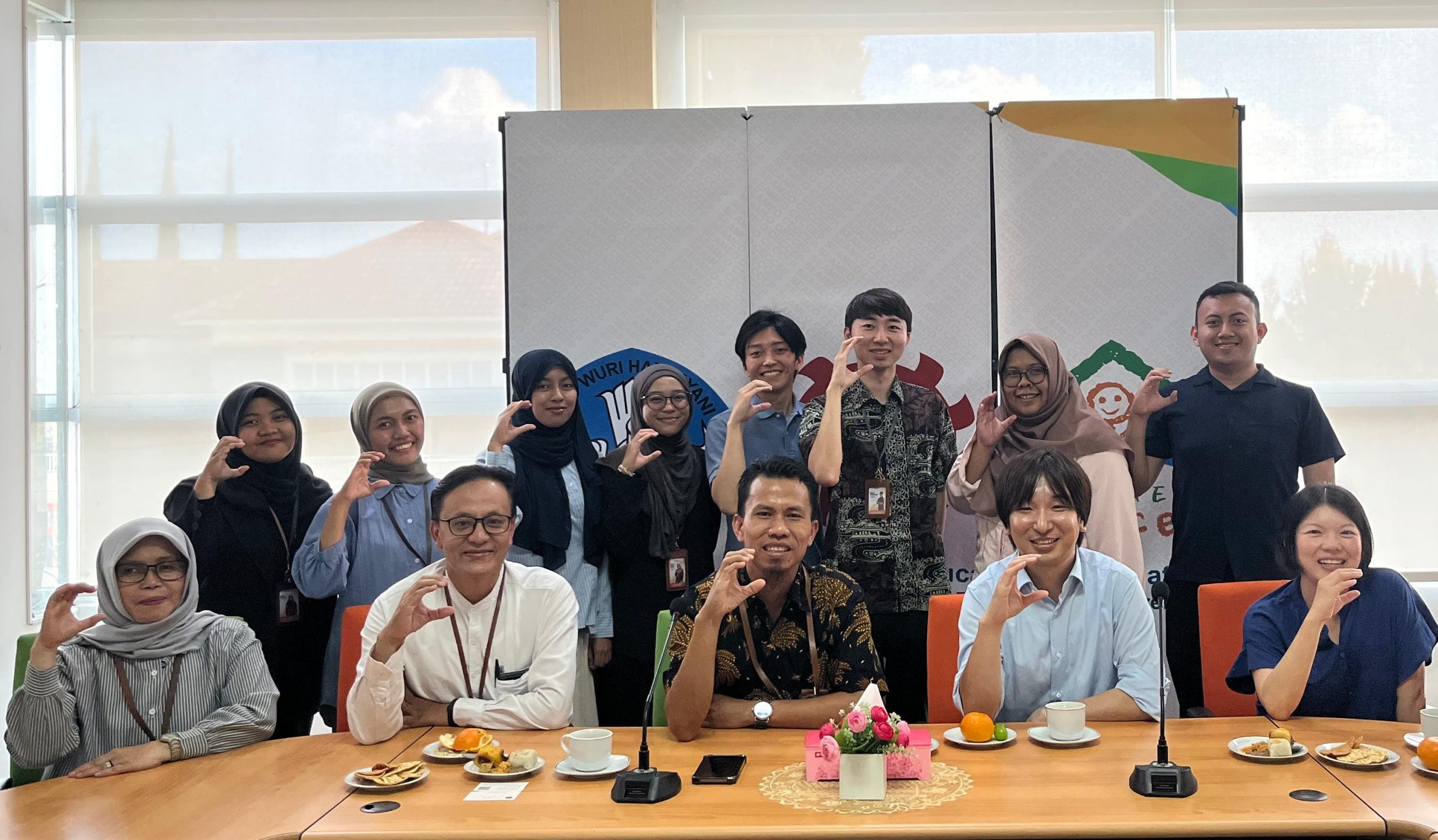
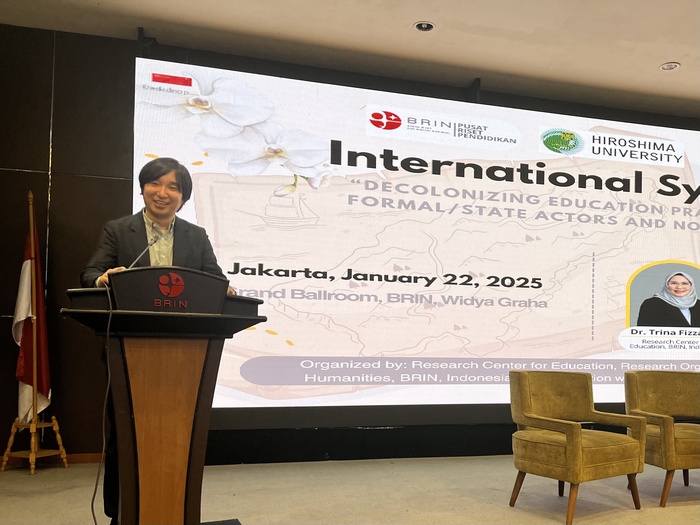
In addition, I teach graduate-level courses, accompany undergraduate students participating in short-term study abroad programs, and help host students from overseas universities. Recently, I have traveled to Malaysia, Egypt, and Indonesia, and this summer I will be accompanying first-year undergraduate students and university staff on a study trip to the United States.
Many students in my graduate courses come from countries across Africa and Asia, and all my courses are taught in English. The courses I teach include “Private Sector Analysis & Research Methods in Education” and “Public Management”. Drawing on the sociology of education, I conduct international collaborative research on how edu-businesses expand across national borders.
My academic specialization is the sociology of education, which focuses on the relationship between education and society. For example, research in this field examines how changes in the global economic environment affect education, and how education is being transformed in a society shaped by technological innovations such as generative AI.
From this perspective, I conduct international collaborative research into how edu-businesses expand across national borders. The term edu-business refers to private companies that provide education-related services and products. As part of this research, I am currently examining Kumon’s expansion across various Asian countries, with a particular focus on Indonesia. I visit local Kumon Centers to observe children as they learn and to conduct interviews with instructors, parents, and former learners to better understand their experiences and perspectives. In the future, I also hope to carry out similar research in Malaysia.
Sparked by a Professor’s Advice:
My Research on Kumon
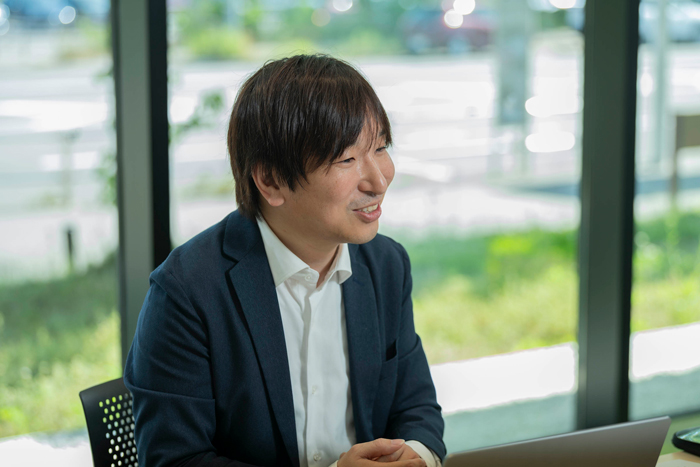
My interest in the relationship between education and private companies began during my third year of university, when I took a course titled “Socioeconomic Development in Southeast Asia”. Around that time, a well-known foreign supermarket chain had withdrawn from the Japanese market, and in class we discussed how sectors closely tied to everyday life, such as retail and education, tend to be deeply embedded in local contexts, which can make it difficult for foreign companies to enter and establish themselves in local markets.
During that summer break, however, I traveled to Australia and Thailand and encountered something that seemed to challenge this assumption. In both countries, I saw Kumon Centers displaying the Kumon logo. After returning to Japan, I mentioned this to my professor. His response was immediate: “That sounds interesting. Why don’t you investigate it and present your findings in class?”
His suggestion raised an important question for me: Why had Kumon been able to expand into countries where educational systems, school curricula, entrance examinations, and even child-rearing cultures differed so greatly from those in Japan? Following his advice, I researched how Kumon had spread worldwide and presented my findings. That became the starting point for the research theme I continue to pursue today: the international expansion of edu-businesses.
What began as a modest research initiative inspired by my professor gradually developed into my undergraduate thesis. Encouraged by my academic supervisor, I became eager to explore the topic more deeply and decided to pursue graduate studies.
In graduate school, I became interested in education’s unique capacity to make particular ways of life appear desirable. Education may generate aspirations and define the ideals that people come to pursue. I began to question whether edu-businesses were particularly adept at mobilizing this capacity. This led me to study how educational service providers craft narratives that portray certain educational institutions as attractive to children and parents.
After completing my master’s degree, I joined a private think tank, where I became involved in a wide range of research projects on human resource development and the adoption of emerging technologies in society. For example, I examined how governments and businesses in the European Union, the United States, and India responded to public expectations and concerns surrounding these technologies?
Then one day, my graduate supervisor encouraged me to return to graduate school, saying, “A doctoral degree takes time. If you want to pursue research, now is the time.” Taking his advice, I decided to pursue a Ph.D. Fortunately, my colleagues at the company supported my decision, enabling me to continue my doctoral research while remaining employed. I was even granted extended leave to conduct fieldwork overseas.
Today, my research focuses on the intersections among education, business, and digital technology, and I often find that my experience at the research institute continues to inform my work. It taught me that private companies are not driven solely by economic rationality. In addition, spending around a year at the institute’s research center in the United States gave me firsthand insight into the differences between Japanese and American approaches to business and innovation.
Looking back, I would not say that I have followed a single path with unwavering certainty. Rather, I have often moved forward while wrestling with doubts, guided and encouraged by people who supported me along the way. These days, many university faculty members have similarly diverse backgrounds, shaped not only by research but also by a variety of experiences, challenges, and failures. I believe we do not need to be afraid of making mistakes.
Why Private-Sector Collaboration Has Become
a Key Issue in Education
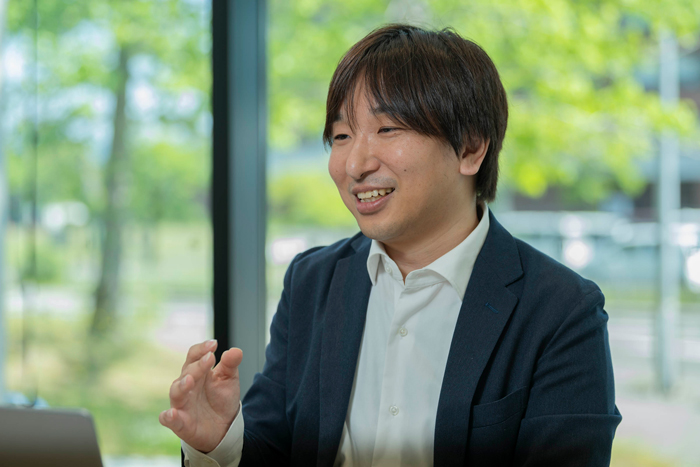
In the field of educational development, expectations placed on education have become increasingly diverse. Beyond cognitive skills that can be readily measured through assessments, such as literacy and numeracy, greater emphasis is being placed on social and emotional skills, such as motivation and cooperation, as well as on inclusive education. Around 2000, amid growing constraints on public finances, the international community increasingly called for greater use of the resources and expertise of private-sector organizations to meet these expanding expectations. At the same time, however, concerns were raised about whether private-sector engagement would be compatible with key educational principles such as equality, equity, and quality.
For many years, the debate over greater private-sector engagement in education remained polarized between advocates and critics. More recently, however, researchers have begun to move beyond this polarized debate and examine more closely how private education companies actually operate. Studies now explore questions such as what motivates those working in these organizations and how they approach their roles. International organizations such as UNESCO have also examined how governments and educational authorities can engage effectively with private and other non-state actors while safeguarding the core principles of education, such as equity and quality.
Traditionally, public education has been viewed primarily as the responsibility of public institutions such as national and local governments. In recent years, however, I believe it has become increasingly common in Japan for schools to work with private companies, nonprofit organizations, and other actors to pursue their goals.
For example, I collaborate with Higashi-Hiroshima City Board of Education on international exchange initiatives involving local elementary and junior high schools. Last year, we connected schools in Higashi-Hiroshima with schools in Bandung, Indonesia, through online exchanges, creating opportunities for students to interact across borders.
Projects like these involve a wide range of stakeholders. In addition to teachers and board of education officials, university researchers and staff of companies that provide computers and communications infrastructure are involved, either directly or indirectly. When public institutions plan international exchange programs involving a diverse range of actors, I believe it is important to consider how best to coordinate these stakeholders and balance their respective roles and interests while upholding the principles of public education.
TAKAMICHI ASAKURA (The IDEC Institute) JST researchmap – Takamichi Asakura
Takamichi Asakura – My portal – researchmap 広島大学 教育開発国際協力研究センター長 吉田 和浩先生(前編)|KUMON now! 広島大学 教育開発国際協力研究センター長 吉田 和浩先生(後編)|KUMON now!
 |
後編のインタビューから -KUMONの海外展開を支える「標準化」と「現地化」のバランス |